Shaked Arazi
Software engineer focused on backend systems. I build services and care about how they actually behave - how they execute, fail, and recover - designing them to be observable, predictable, and easy to reason about. Currently completing a B.Sc. in Computer Science.

my side projects
part of my works that reflect the way I think, and how I approach building software systems.
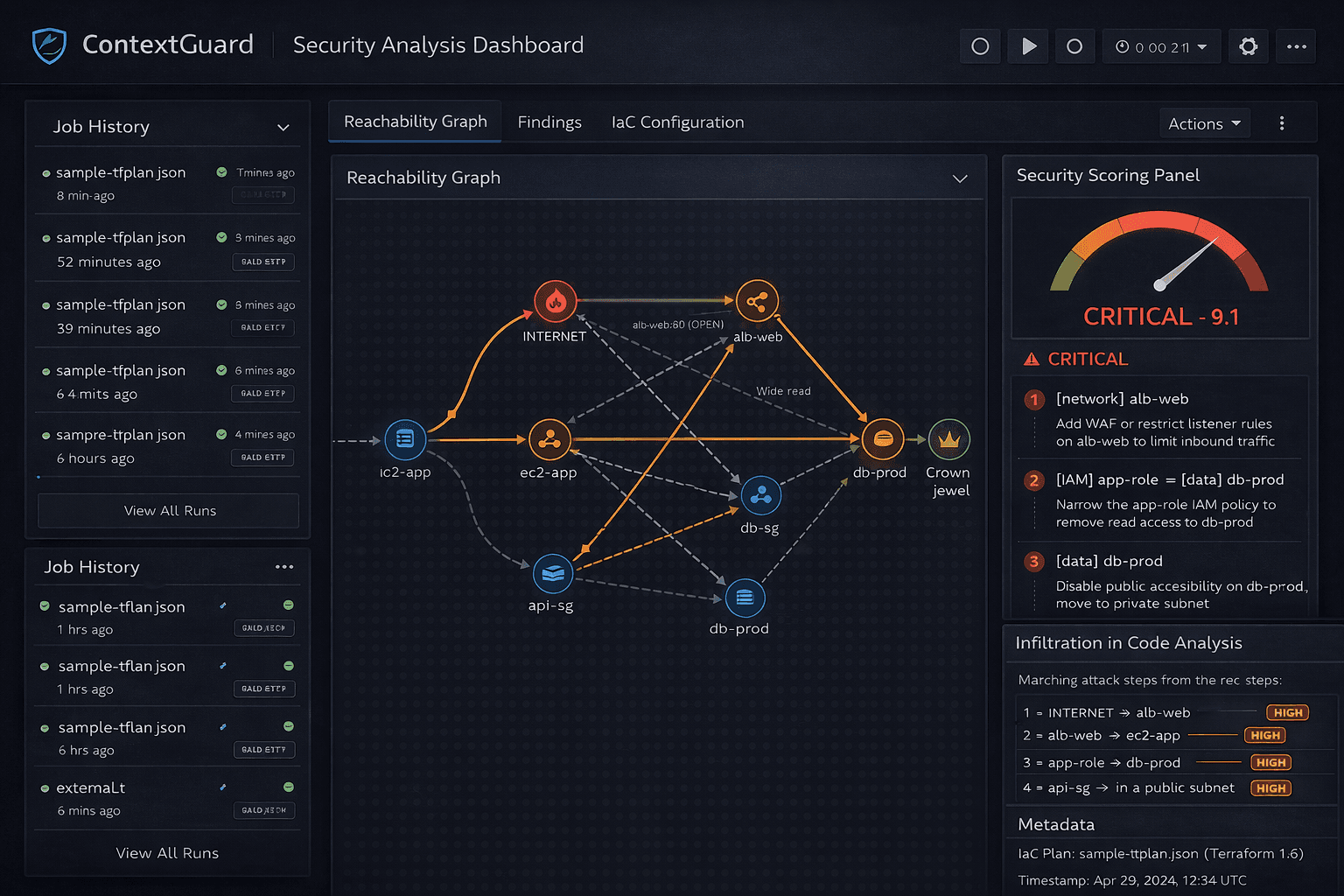
ContextGuard - Attack Path Analyzer
› Modeled cloud infrastructure as an attack graph, enabling precise identification of exploitable paths to sensitive assets.
› Implemented reachability-based severity scoring, reducing false positives and focusing attention on real security risks.
› Generated actionable remediation breakpoints, allowing engineers to eliminate attack paths with targeted control changes.
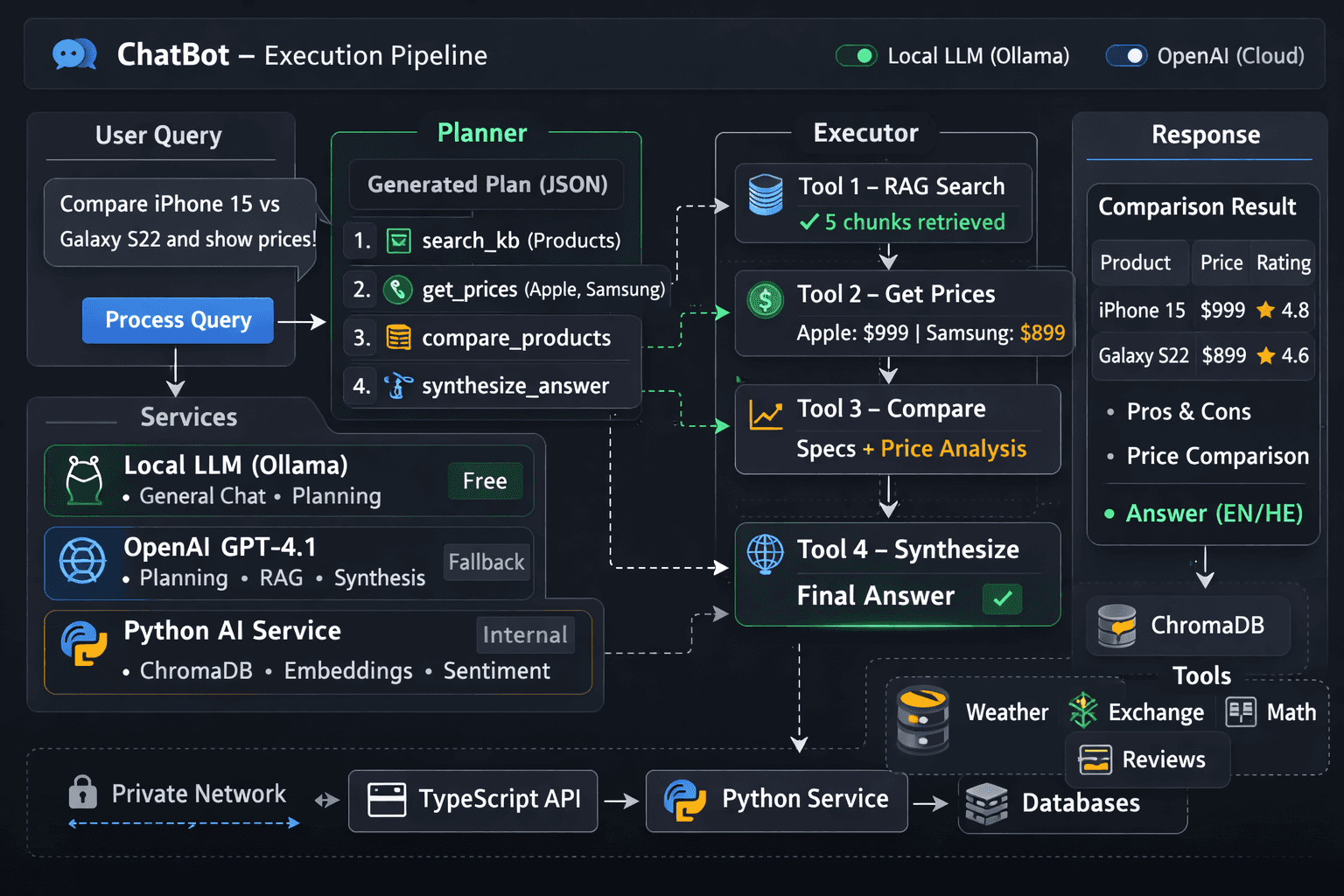
ChatBot - Execution Plan Orchestrator
› Built a planner–executor orchestration layer that converts natural language into structured tool chains, enabling deterministic multi-step task execution.
› Integrated hybrid local and cloud LLM routing, reducing operational cost while preserving response accuracy through selective fallback.
› Implemented RAG over a vector database, grounding responses in real documents and improving factual reliability.
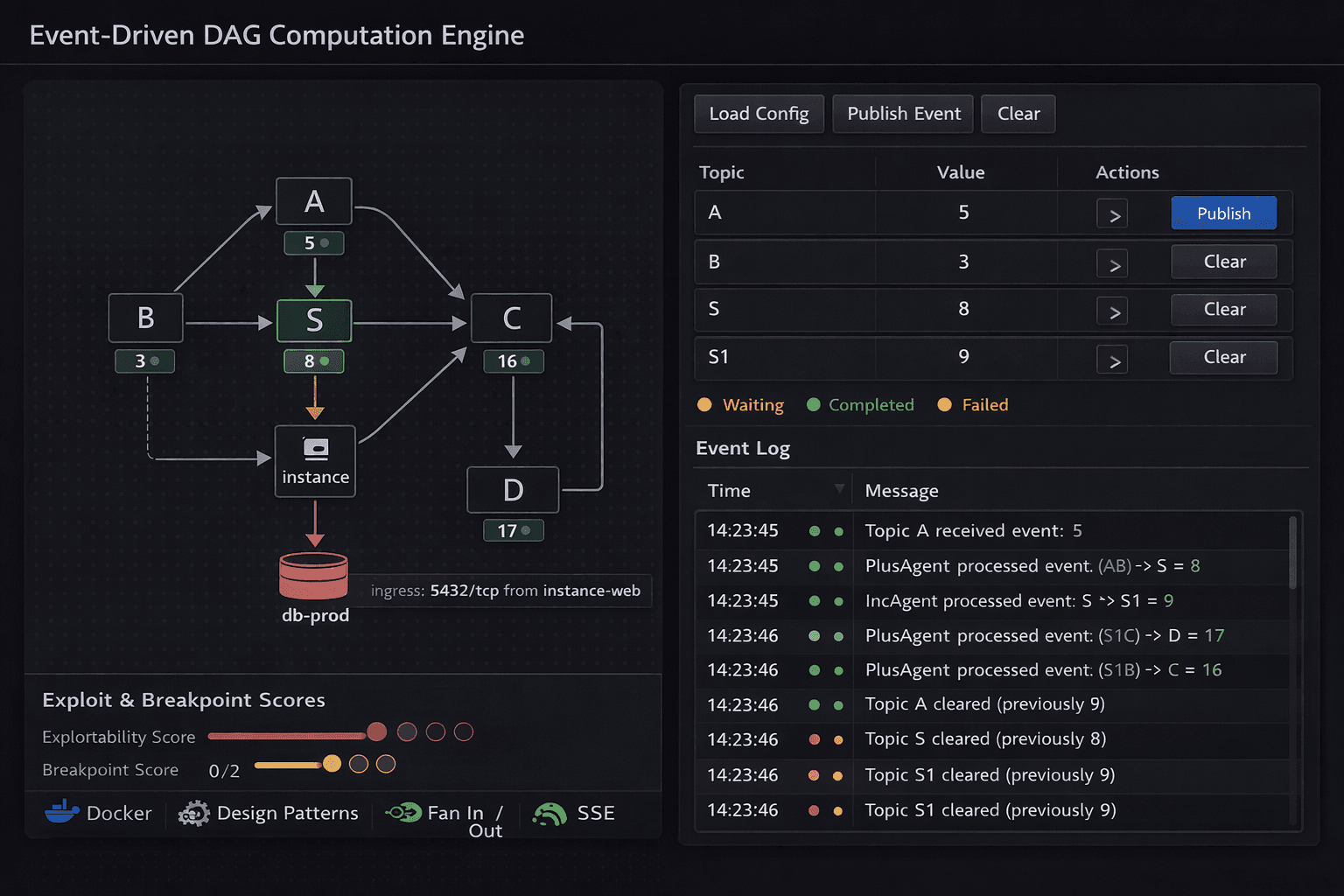
Event-Driven DAG Execution Engine with Isolated Agents
› Enforced DAG-based execution constraints, preventing cyclic dependencies and guaranteeing bounded, predictable computation.
› Isolated computation units with dedicated worker threads and queues, enabling safe concurrency without execution interference.
› Modeled computation as explicit event-driven dataflow, improving system debuggability and reasoning about execution behavior.
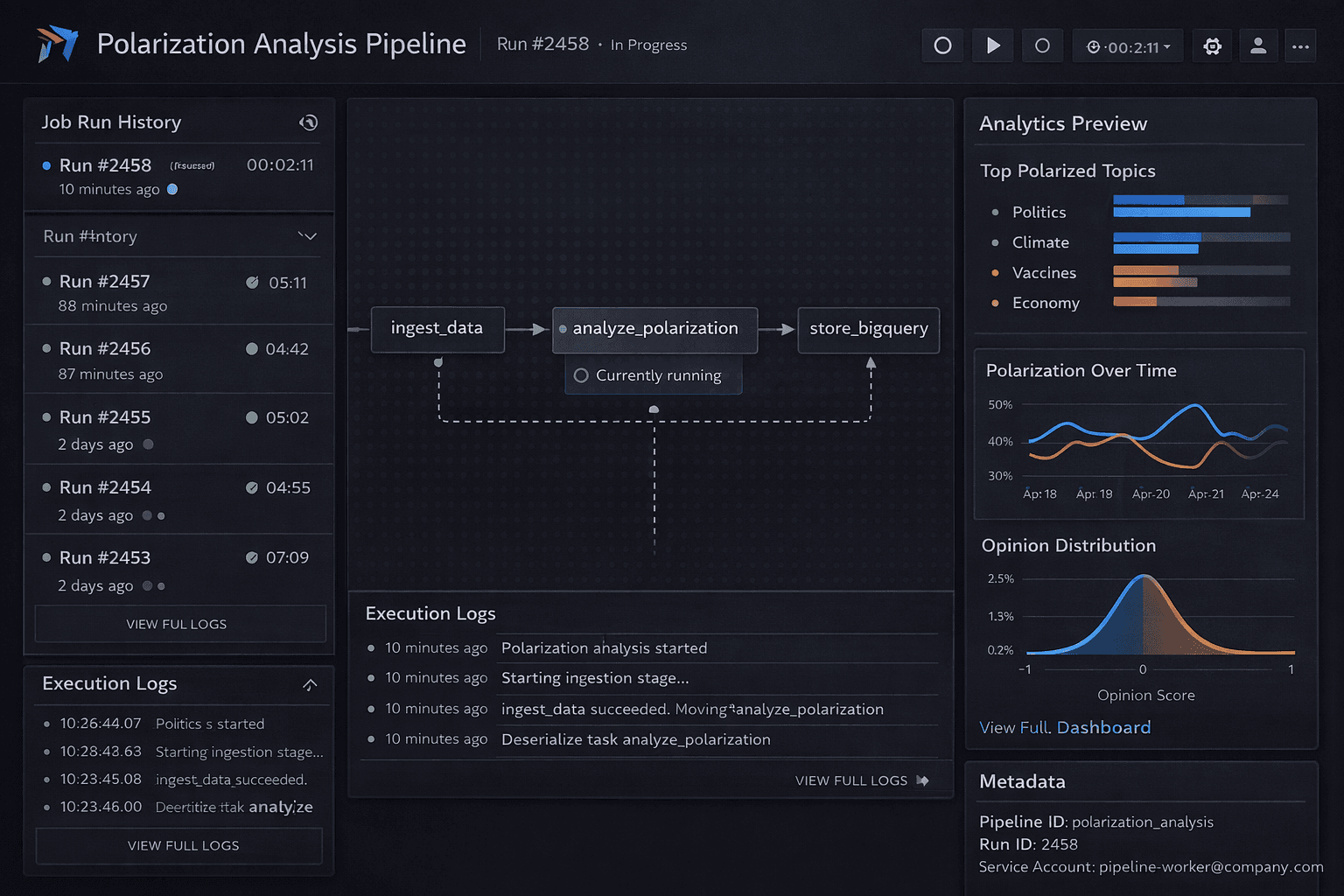
PolarLens - Social Polarization Intelligence Pipeline (ongoing)
› Developing a batch pipeline that transforms raw opinion data into structured analytical datasets.
› Structuring the workflow as staged Airflow batches, ensuring processing runs on complete and consistent data.
› Implementing pre-aggregation before BigQuery ingestion, enabling fast analytical queries without scanning raw records.
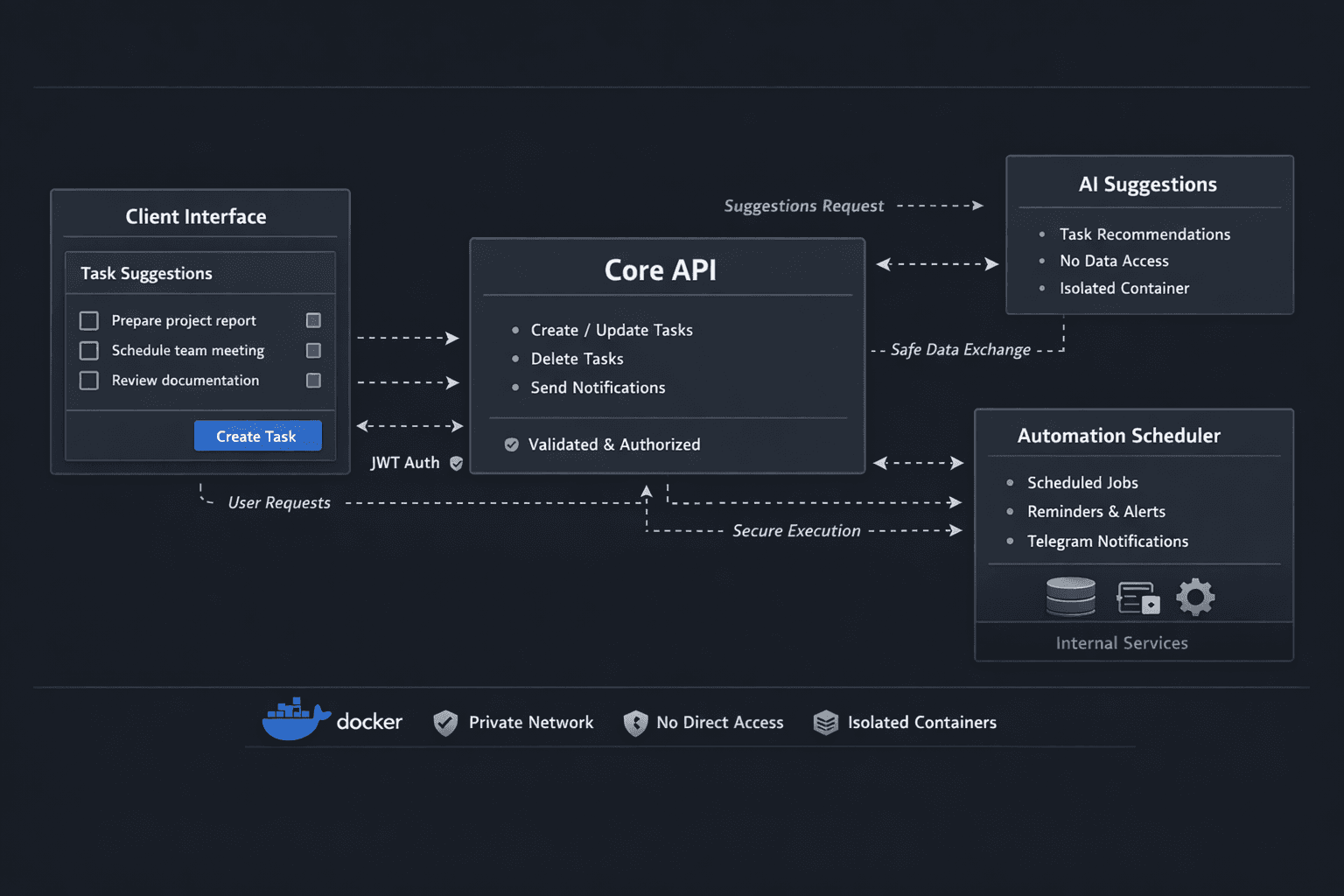
Secure Ai-assistant for task management
› Enforced a strict mutation boundary, eliminating unauthorized or implicit state modification paths.
› Integrated external AI through a validated suggestion flow, preventing unintended or autonomous system changes.
› Containerized services with Docker and isolated them on a private network, reducing attack surface and improving deployment reliability.
ContextGuard - Attack Path Analyzer
› Modeled cloud infrastructure as an attack graph, enabling precise identification of exploitable paths to sensitive assets.
› Implemented reachability-based severity scoring, reducing false positives and focusing attention on real security risks.
› Generated actionable remediation breakpoints, allowing engineers to eliminate attack paths with targeted control changes.
Event-Driven DAG Execution Engine with Isolated Agents
› Enforced DAG-based execution constraints, preventing cyclic dependencies and guaranteeing bounded, predictable computation.
› Isolated computation units with dedicated worker threads and queues, enabling safe concurrency without execution interference.
› Modeled computation as explicit event-driven dataflow, improving system debuggability and reasoning about execution behavior.
Secure Ai-assistant for task management
› Enforced a strict mutation boundary, eliminating unauthorized or implicit state modification paths.
› Integrated external AI through a validated suggestion flow, preventing unintended or autonomous system changes.
› Containerized services with Docker and isolated them on a private network, reducing attack surface and improving deployment reliability.
ChatBot - Execution Plan Orchestrator
› Built a planner–executor orchestration layer that converts natural language into structured tool chains, enabling deterministic multi-step task execution.
› Integrated hybrid local and cloud LLM routing, reducing operational cost while preserving response accuracy through selective fallback.
› Implemented RAG over a vector database, grounding responses in real documents and improving factual reliability.
PolarLens - Social Polarization Intelligence Pipeline (ongoing)
› Developing a batch pipeline that transforms raw opinion data into structured analytical datasets.
› Structuring the workflow as staged Airflow batches, ensuring processing runs on complete and consistent data.
› Implementing pre-aggregation before BigQuery ingestion, enabling fast analytical queries without scanning raw records.
Experience & Focus
Professional background and the engineering disciplines I build expertise in.
Work Experience
2023 – Present
Network support Engineer
SDS data services
- ▸Monitored live Linux-based production systems, maintaining operational visibility and stability.
- ▸Investigated system anomalies using logs, metrics, and runtime signals.
- ▸Performed incident triage and helped isolate root causes.
- ▸Collaborated with engineers during incident resolution.
- ▸Developed practical understanding of system behavior under production load.
2017 – 2022
Company Officer & Technical Training Lead
Israel Defense Forces (IDF)
- ▸Led and trained tens of personnel responsible for operating real-time technical and operational systems under high-pressure conditions.
- ▸Designed and built a complete technical training program combining leadership development with deep system-level qualification.
- ▸Taught the interaction between digital control systems and physical hardware platforms.
- ▸Developed simulation exercises reproducing real system failures and operational constraints.
- ▸Built structured technical understanding enabling independent troubleshooting and system reasoning.
Computer Science Tutor (Private)
The College of Management Academic Studies
- ▸Taught algorithms and data structures to undergraduate computer science students in one-on-one sessions.
- ▸Broke down complex problems into structured, understandable steps, improving students' problem-solving ability.
- ▸Guided students through debugging processes, helping them identify root causes instead of trial-and-error fixes.
- ▸Strengthened students' analytical thinking and understanding of core CS concepts.
Core Focus Areas
Understanding How Systems Execute
I'm interested in how systems actually run - how data moves, how components interact, and how structure shapes behavior.
Making Failures Understandable
I try to build things in a way that makes failures visible and explainable, so problems can be understood and fixed with confidence.
Thinking in Terms of Boundaries
I'm naturally drawn to systems with clear boundaries and responsibilities, where behavior stays predictable even as complexity increases.